Sands Point represents one of the most distinctive versions of North Shore living. Located at the tip of the Port Washington peninsula, this incorporated village is known for expansive properties, waterfront estates, mature landscaping, historic architecture, and an unusual degree of privacy for a community less than 25 miles from Manhattan. Buyers considering living in Sands Point NY need to understand the village’s zoning restrictions, property-maintenance demands, flood considerations, commuting logistics, and the costs associated with owning a substantial North Shore property.
Here is what you should know before buying a home in Sands Point NY.
Where Is Sands Point?
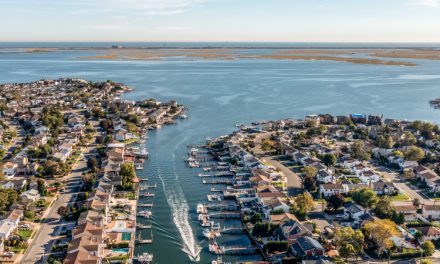
Sands Point is located in Nassau County at the northern end of the Port Washington peninsula. The village is surrounded by the Long Island Sound, Manhasset Bay, and Hempstead Harbor, creating an extensive coastline with a range of water views and waterfront settings.
The Village of Sands Point covers nearly 3,000 acres and is home to more than 900 families. It was incorporated in 1910 and remains an entirely residential village.
Sands Point is part of the greater Port Washington community, but it has its own village government, police department, water department, building department, and local regulations.
What Is Living in Sands Point NY Like?
Sands Point feels quiet, spacious, and private. Homes are generally positioned on substantial lots, often surrounded by mature trees, long driveways, gates, or extensive landscaping.
The village has no commercial downtown. In fact, Sands Point is zoned exclusively for single-family residences, with only a limited number of nonresidential uses permitted. These include schools, houses of worship, the Village Club, a private golf club, the Sands Point Preserve, and the Helen Keller National Center.
That creates a distinctly residential atmosphere with little through traffic in many parts of the village. It also means residents drive into Port Washington and surrounding communities for most restaurants, shopping, professional services, and daily errands.
Buyers looking for acreage, privacy, water access, or an estate-style home may find living in Sands Point NY particularly appealing. Those who want to walk from home to coffee shops, stores, and the train may prefer living closer to downtown Port Washington.
Homes for Sale in Sands Point
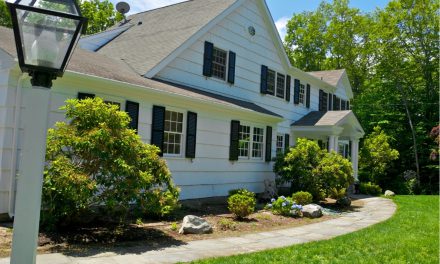
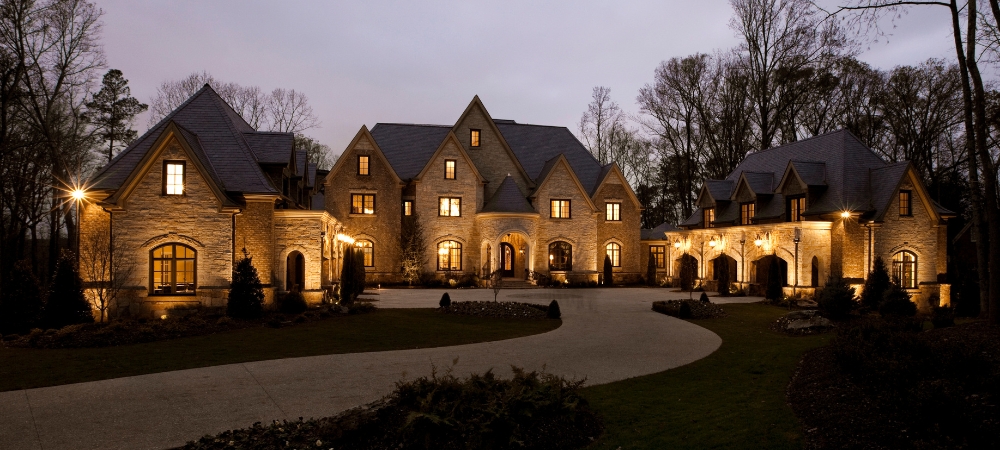
Sands Point offers some of the most architecturally varied and substantial properties on Long Island’s North Shore.
The local housing inventory may include:
- Historic Gold Coast estates
- Traditional Colonials
- Tudor-style residences
- Mediterranean-inspired homes
- Contemporary and modern properties
- Custom-built luxury homes
- Waterfront estates
- Homes with pools, tennis courts, guesthouses, and additional structures
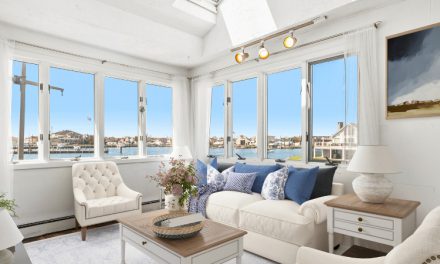
Many properties occupy one or more acres, while some of the village’s most significant estates encompass considerably more land. Certain homes offer direct access to the Long Island Sound, Manhasset Bay, or Hempstead Harbor, while others provide elevated water views without direct shoreline access.
Even within the luxury market, Sands Point homes can differ dramatically. One property may be a meticulously restored historic estate, while another may offer newer construction with modern systems and amenities. Buyers may also encounter older homes with exceptional land but significant renovation needs.
Understanding Sands Point’s Different Settings
Location within Sands Point matters. Not every waterfront property offers the same exposure, view, or boating conditions.
Depending on where a home is located, it may face:
- Long Island Sound
- Manhasset Bay
- Hempstead Harbor
- A protected cove or inlet
- An interior residential setting
Open Sound frontage may deliver expansive views and dramatic coastal scenery, but it can also bring greater exposure to wind, waves, erosion, and storms. Harbor and bay locations may feel more protected, although water depth, tidal conditions, dock feasibility, and navigation access can vary.
Buyers considering waterfront property should look beyond the view. Shoreline condition, bulkheads, docks, coastal permits, flood-zone status, elevation, insurance, and long-term maintenance can substantially affect the property’s cost and use.
Schools in Sands Point
Sands Point is served by the Port Washington Union Free School District. The district operates several elementary schools, Carrie Palmer Weber Middle School, and Paul D. Schreiber High School.
John Philip Sousa Elementary School is located within Sands Point. However, buyers should confirm the assigned elementary school and transportation details for a specific address directly with the Port Washington School District.
School boundaries, programs, transportation policies, and enrollment procedures can change. A Sands Point mailing address alone should not be used to determine an individual school assignment.
Commuting From Sands Point to NYC
Residents typically use the Port Washington Long Island Rail Road station, located south of the village near downtown Port Washington.
The station is the eastern terminus of the Port Washington Branch, which provides service toward Queens and Manhattan. The branch offers access to both Penn Station and Grand Central Madison, depending on the selected train.
Because Sands Point itself does not have a train station, buyers should consider the complete door-to-door commute. Travel time to the station, parking availability, drop-off logistics, and train schedules all factor into the experience.
Drivers generally travel south through Port Washington before connecting with major North Shore roads and highways. Sands Point’s peninsula location contributes to its privacy, but it also means there is no immediate entrance to the Long Island Expressway or Northern State Parkway.
For buyers who commute regularly, it is worth driving the route during actual weekday travel hours before purchasing.
Shopping and Dining Near Sands Point
Because commercial development is not permitted within Sands Point, most daily conveniences are located in Port Washington.
Downtown Port Washington offers restaurants, cafés, grocery stores, boutiques, fitness studios, professional services, and the LIRR station. The Town Dock and waterfront areas also contribute to the community’s nautical character.
Additional shopping and dining options are available in nearby communities such as:
The Americana Manhasset luxury shopping center is also within a reasonable drive.
Living in Sands Point NY offers a combination of residential seclusion and access to the broader Port Washington community. Residents can return to a quiet setting without being far from everyday services.
Sands Point Preserve
One of the village’s defining landmarks is the Sands Point Preserve, a historic North Shore property situated along the Long Island Sound.
The preserve encompasses more than 200 acres of woodlands, trails, open space, shoreline, and former Gold Coast estate buildings. Its best-known structures include Hempstead House, Castle Gould, and Falaise.
Today, visitors can explore trails, attend educational and cultural programs, tour historic buildings on select dates, and experience one of the Gold Coast’s most significant remaining estates. Nassau County identifies the Sands Point Preserve as one of its major North Shore preserves.
For Sands Point residents, the preserve provides access to walking trails, history, architecture, and the waterfront without leaving the village.
The Village Club of Sands Point
The Village Club of Sands Point is a village-owned recreational and social club offering golf, dining, sports, and other amenities to members.
Membership is not automatically included with Sands Point residency, so buyers interested in the club should review the current categories, costs, amenities, and availability directly with the Village Club.
The presence of both the Village Club and the private Sands Point Golf Club gives the community additional recreational opportunities, but membership requirements differ.
Property Taxes and Ownership Costs
Sands Point buyers should carefully evaluate the full cost of owning an estate property. The purchase price is only one part of the financial picture.
Potential expenses include:
- Village, county, and school taxes
- Homeowners and flood insurance
- Landscaping and tree care
- Pool and tennis-court maintenance
- Private road or shared-access expenses
- Security and gate systems
- Heating and cooling a larger home
- Generator maintenance
- Shoreline, dock, or bulkhead repairs
- Water and irrigation costs
- Staff or property-management expenses
Two similarly priced homes can have very different annual operating costs. A newer inland property may be less expensive to maintain than an older waterfront estate with extensive grounds and infrastructure.
Buyers should request utility histories, tax records, insurance information, service contracts, and maintenance details whenever available.
Building, Renovating, and Expanding
Sands Point has detailed zoning and building regulations intended to preserve the village’s low-density residential character.
The village is zoned for single-family homes, and partial home rentals are not permitted. Depending on the zoning district and property, regulations may govern:
- Minimum lot size
- Building and habitable floor area
- Setbacks
- Lot coverage
- Driveway placement
- Accessory structures
- Pools and sports courts
- Tree removal
- Coastal construction
- Major structural alterations
Some zoning districts generally require two-acre lots for newly created parcels, although many legally existing properties are smaller.
Buyers planning an addition, guesthouse, pool house, sports court, subdivision, or major renovation should consult the Sands Point Building Department and an experienced local architect before assuming a project is feasible. Buyers should also check existing improvements against municipal records to confirm they were properly permitted.
Waterfront and Flood Considerations
Sands Point’s extensive coastline is one of its greatest attractions, but waterfront ownership requires additional due diligence.
The village has coastal overlay districts designed to protect environmentally sensitive areas along the Long Island Sound, Hempstead Harbor, and Manhasset Bay.
Before buying a waterfront or low-lying property, investigate:
- FEMA flood-zone designation
- Required flood insurance
- Current elevation information
- Shoreline erosion
- Bulkhead and seawall condition
- Dock permits and water depth
- Coastal setback requirements
- History of water intrusion
- Drainage and stormwater management
- Emergency power and mechanical-system placement
A waterfront home’s beauty and recreational potential should be evaluated alongside the cost of protecting and maintaining it.
What Buyers Should Review Before Living in Sands Point NY
Large and historic homes often require a broader inspection process than a conventional single-family property.
Depending on the home, buyers may want specialists to assess:
- Roofs and chimneys
- Foundations and drainage
- Electrical capacity
- Plumbing and water pressure
- Heating and cooling systems
- Generators
- Septic or wastewater systems
- Pools and spas
- Tennis or sports courts
- Elevators
- Security systems
- Irrigation
- Docks and bulkheads
- Guesthouses and accessory buildings
- Trees and landscaping
- Environmental concerns, including underground oil tanks
It is equally important to investigate the property’s paperwork. Confirm that finished areas, additions, pools, cabanas, guest accommodations, and other structures appear in municipal records and have the necessary approvals.
Is Sands Point a Good Place to Live?
Sands Point may be a strong fit for buyers seeking:
- Privacy and substantial property
- Waterfront or water-view opportunities
- Estate-style living
- Distinctive architecture
- A quiet residential setting
- Access to Port Washington amenities
- LIRR service within driving distance
- North Shore history and natural scenery
It may be less suitable for buyers who want a highly walkable lifestyle, quick highway access, low-maintenance ownership, or a broad selection of condos and smaller homes.
The right decision depends on more than whether a buyer can purchase in Sands Point. It requires understanding which property, setting, and level of maintenance align with the life they want to lead.
Frequently Asked Questions About Living in Sands Point NY
Where is Sands Point, NY?
Sands Point is an incorporated village in Nassau County at the northern tip of the Port Washington peninsula. It is surrounded by the Long Island Sound, Manhasset Bay, and Hempstead Harbor.
Is Sands Point part of Port Washington?
Sands Point is its own incorporated village, but it is located on the Port Washington peninsula and shares the Port Washington ZIP code, school district, train station, and many local services.
Does Sands Point have a downtown?
No. Sands Point is an entirely residential village without a commercial downtown. Residents generally travel into Port Washington or nearby communities for shopping and dining.
What types of homes are available in Sands Point?
Homes in Sands Point range from historic estates and traditional Colonials to modern custom homes and substantial waterfront properties. Many are located on large lots and may include pools, sports courts, guesthouses, or private water access.
Is Sands Point waterfront?
Sands Point has extensive shoreline along the Long Island Sound, Manhasset Bay, and Hempstead Harbor. However, not every home is waterfront, and waterfront characteristics vary by location.
What school district serves Sands Point?
Sands Point is served by the Port Washington Union Free School District. Buyers should verify the specific elementary school assignment and transportation information for the property they are considering.
How do residents commute from Sands Point to Manhattan?
Many commuters use the Port Washington LIRR station, which is on the Port Washington Branch. Residents must drive or arrange transportation from Sands Point to the station.
Is Sands Point walkable?
Sands Point is generally car-dependent. Its roads and large residential properties create a private atmosphere, but shops, restaurants, and the train station are located outside the village.
Are there additional costs to owning a home in Sands Point?
Beyond property taxes and insurance, buyers may face expenses for landscaping, utilities, pools, generators, security systems, shoreline infrastructure, and maintaining a large or historic home.
Thinking About Buying a Home in Sands Point?
Buying in Sands Point requires specialized local knowledge. Waterfront conditions, village regulations, property taxes, permits, and long-term maintenance can vary dramatically from one home to another.
The Pesce & Lanzillotta Group can help you understand the Sands Point market, evaluate available properties, and identify the home that best fits your goals. Contact us to begin your Sands Point home search.