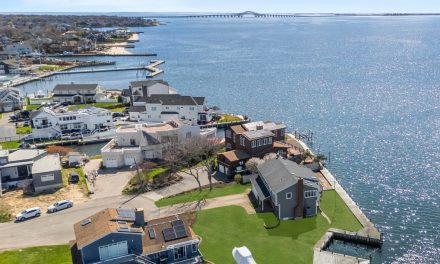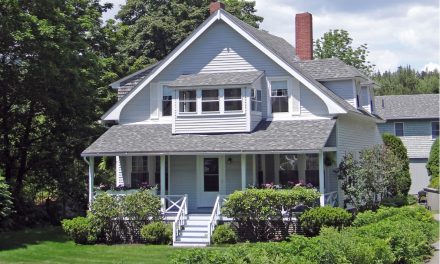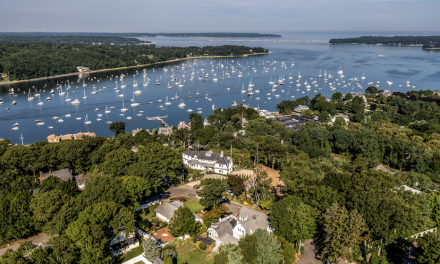
Thinking about moving to Melville NY? Located in the Town of Huntington near the Nassau–Suffolk border, this community puts residents close to major highways, shopping, recreation, and neighboring destinations such as Huntington, Farmingdale, and Walt Whitman Shops. Melville offers a compelling combination of suburban space, central Long Island convenience, and access to some of Suffolk County’s largest employment centers.
For buyers considering a move to Melville, however, there is more to understand than its convenient location. Housing styles, school districts, commute options, property taxes, and even the feel of the neighborhood can vary depending on where you buy.
Here is what you should know before moving to Melville.
Where Is Melville NY?
Melville is a hamlet and census-designated place in western Suffolk County. It sits within the Town of Huntington, near the Nassau County line and about midway between Manhattan and eastern Suffolk County.
One of Melville’s defining features is its access to several of Long Island’s primary roadways:
- Long Island Expressway
- Northern State Parkway
- Route 110
- Jericho Turnpike
- Walt Whitman Road
This makes Melville particularly convenient for buyers who regularly travel throughout Nassau and Suffolk counties. Route 110 is also one of Long Island’s largest business corridors, with a significant concentration of corporate, financial, commercial, and industrial employers. The Town of Huntington describes the corridor as a major regional center for employment and job growth.
What Is It Like to Live in Melville NY?
Melville generally feels spacious, residential, and private. Much of the community consists of established neighborhoods with mature landscaping, larger lots, and homes set back from the road.
Unlike nearby Huntington Village or Farmingdale, Melville has not traditionally revolved around a central downtown. Residents typically drive to shopping, restaurants, parks, and entertainment. That tradeoff appeals to buyers who prefer more room and privacy but still want everyday conveniences nearby.
The experience can also change considerably from one section of Melville to another. Some neighborhoods feel distinctly suburban, while others offer larger properties and a more secluded atmosphere. Areas closer to Route 110 and the Long Island Expressway provide especially convenient access to offices and highways, although buyers should consider traffic patterns and road noise when evaluating individual properties.
Homes for Sale in Melville NY
Melville’s housing inventory includes a variety of property types, although single-family homes make up much of the community.
Buyers may find:
- Traditional Colonials
- Ranch-style homes
- Splits and high ranches
- Expanded and renovated properties
- Larger luxury homes
- Townhomes and condominiums
- Gated and age-restricted communities
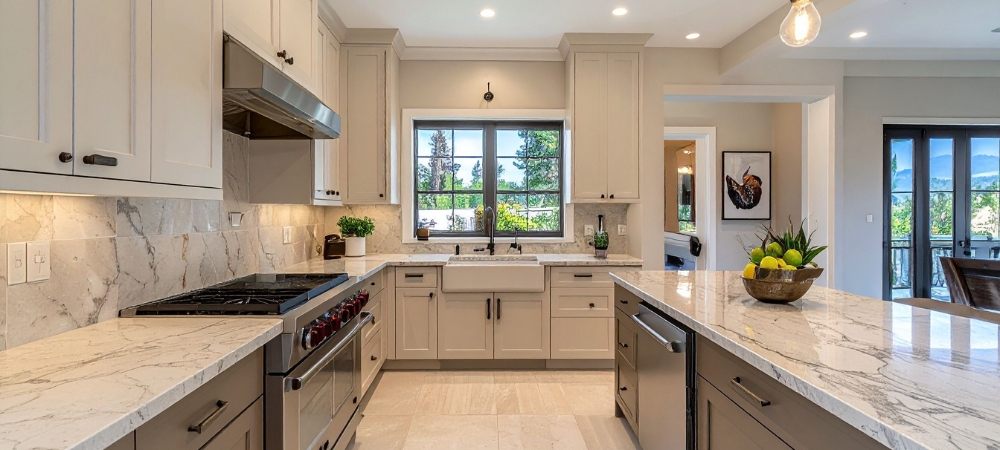
Lot sizes, home condition, and renovation levels vary widely. Some houses retain their original layouts and finishes, while others have been expanded or completely redesigned.
Buyers should look beyond square footage when comparing Melville homes. The location within the community, school district, tax burden, property condition, and proximity to major roads can all meaningfully affect a home’s value and day-to-day livability.
Moving to Melville NY: School Districts
School district boundaries are especially important to consider when buying in Melville NY. Addresses within the hamlet may be served by different districts, primarily the Half Hollow Hills Central School District or the South Huntington Union Free School District.
The Half Hollow Hills Central School District operates five elementary schools, two middle schools, and two high schools. Its schools include Sunquam Elementary School in Melville, along with Candlewood and West Hollow middle schools and High School East and High School West.
Because district and individual school assignments are based on the property address, buyers should never assume that every Melville home has the same assignment. Confirm the district, elementary school, middle school, high school, transportation eligibility, and any applicable registration requirements directly with the district before purchasing.
Commuting From Melville
Melville does not have a major Long Island Rail Road station, so most residents drive to a nearby station when commuting by train.
Depending on the property and preferred branch, options may include:
These stations do not all provide the same frequency, parking arrangements, or service patterns. The Huntington station is on the Port Jefferson Branch, while Farmingdale and Bethpage are on the Ronkonkoma Branch. Hicksville offers access to multiple service patterns and is a larger transportation hub.
The LIRR serves both Penn Station and Grand Central Madison, but travel times and transfers depend on the station and train selected. Buyers planning to commute should test the full trip during their normal travel hours and investigate parking rules before choosing a home. Current schedules and station information are available through the MTA.
For drivers, the Long Island Expressway and Northern State Parkway provide direct east-west access. Route 110 connects Melville with Huntington to the north and Farmingdale and Amityville to the south. These roads are convenient, but congestion can be significant during peak commuting periods.
Shopping, Dining, and Everyday Convenience
Melville offers easy access to grocery stores, fitness facilities, professional services, and everyday shopping. The Route 110 corridor contains numerous restaurants, retailers, hotels, and office buildings.
Additional shopping and dining can be found in nearby destinations such as:
- Huntington Village
- Farmingdale Village
- Walt Whitman Shops
- Plainview
- Woodbury
- Dix Hills
This central location allows residents to choose between large commercial centers and the more walkable downtown atmosphere of neighboring villages.
Melville is also convenient to Bethpage State Park, home of multiple golf courses and extensive outdoor recreation. Buyers can reach North Shore beaches, South Shore destinations, and many of Long Island’s parks without living directly in a waterfront community.
Parks and Recreation Near Melville
Residents have access to the Town of Huntington’s parks, beaches, pools, athletic facilities, and recreational programming.
Local options include Sweet Hollow Park, an 8.4-acre park with tennis, pickleball, basketball, a playground, exercise equipment, picnic tables, and a walking trail. Other nearby facilities include Half Hollow Park, Middle Earth Park, Whitman Park, and William E. Kessler Park.
The Town of Huntington also operates beaches, summer programs, sports leagues, ice-skating facilities, and additional activities for residents. The town’s Parks and Recreation Department can provide program availability and resident identification requirements.
Property Taxes and Other Ownership Costs
Property taxes are one of the most important considerations when purchasing a home anywhere on Long Island, and Melville is no exception.
Taxes can vary considerably based on:
- Assessed value
- School district
- Property size
- Home improvements
- Special districts
- Exemptions
- Community or association fees
Do not estimate a future tax bill based only on what the current owner pays. Their exemptions or assessment history may not apply to a new buyer. Review the property’s complete tax records and speak with your real estate attorney or tax professional about any questions.
For condos, townhomes, gated communities, and age-restricted properties, buyers should also review monthly charges, included services, reserve funds, community rules, and recent or anticipated assessments.
What Buyers Should Inspect Carefully Before Moving to Melville NY
Melville homes vary in age and condition, so a thorough inspection is essential. Depending on the property, buyers may need to evaluate:
- Roof and drainage
- Heating and cooling systems
- Electrical service
- Plumbing
- Foundation and structural condition
- Windows and insulation
- Moisture or water intrusion
- Private wastewater systems, where applicable
- Underground oil tanks or evidence of prior tanks
- Permits for additions, finished basements, pools, and other improvements
A beautifully updated interior does not necessarily mean that the home’s major systems have been replaced. Buyers should understand both the cosmetic condition and the longer-term ownership costs.
Melville Is Beginning to Evolve
Melville has historically been known for its residential neighborhoods and substantial corporate corridor, but the community may become more mixed-use over time.
The Town of Huntington has established a Melville Town Center plan intended to introduce new housing, public gathering spaces, parks, services, and a more walkable Main Street environment within a defined portion of the business district. The plan allows development through special-use permits and includes periodic impact reviews as residential units are added.
This does not mean all of Melville will suddenly become a walkable downtown. The initiative applies to a limited area around Maxess Road, Melville Park Road, Baylis Road, and Corporate Center Drive. Still, buyers should know about the plan—especially when considering a property near the Route 110 business corridor. More information is available on the Town of Huntington’s Melville Town Center page.
Is Melville NY a Good Place to Live?
Melville may be a strong fit for buyers who want:
- A central location near the Nassau–Suffolk border
- Convenient access to major highways
- Proximity to a major Long Island employment corridor
- Established residential neighborhoods
- A range of single-family homes and community-style properties
- Access to Town of Huntington recreation
- More space than many communities closer to New York City
It may be less suitable for someone who wants to walk to a train station, restaurants, and nightlife. Most Melville residents rely heavily on a car, and traffic near Route 110 and highway entrances can be busy.
The best way to determine whether Melville is right for you is to compare its different neighborhoods, commute routes, school assignments, property taxes, and housing options—not simply the Melville mailing address.
Frequently Asked Questions About Moving to Melville NY
Is Melville in Nassau or Suffolk County?
Melville is in Suffolk County, within the Town of Huntington. It is located close to the Nassau–Suffolk border.
Does Melville have a downtown?
Melville does not currently have a traditional downtown comparable to Huntington Village or Farmingdale Village. The Town of Huntington has created a plan for a more walkable mixed-use town center within a defined section of Melville’s business corridor.
Does Melville have a Long Island Rail Road station?
Melville does not have a major full-service LIRR station within the hamlet. Residents commonly use nearby stations such as Huntington, Farmingdale, Bethpage, or Hicksville, depending on their location and commuting needs.
What school district serves Melville?
Melville addresses may be served by the Half Hollow Hills Central School District or the South Huntington Union Free School District. Buyers should verify the district and individual school assignments for the specific property.
What kinds of homes are available in Melville?
Melville offers Colonials, ranches, split-level homes, larger luxury properties, condos, townhomes, and homes within gated or age-restricted communities.
Is Melville convenient for commuting?
Melville is particularly convenient for drivers because it provides access to the Long Island Expressway, Northern State Parkway, and Route 110. Train commuters generally drive to a nearby LIRR station.
Is Melville walkable?
Most of Melville is car-dependent. Some individual communities may offer internal walking paths or amenities, but buyers seeking a traditional walkable downtown may prefer to compare Melville with nearby Huntington or Farmingdale.
Thinking About Buying a Home in Melville NY?
Choosing the right home in Melville requires more than finding the right number of bedrooms. School boundaries, taxes, commuting options, property condition, and location within the community can all make a significant difference.
The Pesce & Lanzillotta Group can help you compare neighborhoods, evaluate available homes, and understand the details that matter before you make a move. Contact us to begin your Melville home search.