Buying a home in Sands Point offers the opportunity to own property in one of Long Island’s most distinctive luxury communities. Located at the northern tip of the Port Washington peninsula, the village is known for its expansive estates, waterfront properties, mature landscaping, and quiet residential setting.
But homes in Sands Point can be more complex to evaluate than the average Long Island property. Lot size, waterfront conditions, private systems, renovation history, and village requirements can all affect a home’s value and long-term ownership costs.
If you’re considering buying a home in Sands Point, here are the most important factors to investigate before making an offer.
Understand the Sands Point Real Estate Market
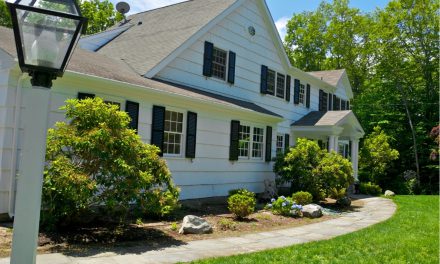
Sands Point is an entirely residential village, and its real estate market is primarily composed of luxury homes on larger properties. Buyers may encounter historic estates, traditional Colonials, modern residences, and waterfront homes overlooking the Long Island Sound, Manhasset Bay, or Hempstead Harbor.
Because the village contains a relatively small number of properties, inventory can be limited. Homes also vary considerably in their age, architectural style, condition, location, and amenities. That makes it difficult to evaluate a Sands Point home based on square footage or bedroom count alone.
Two similarly sized homes may have very different values depending on factors such as:
- Lot size and usability
- Waterfront access or water views
- Renovation quality
- Privacy and landscaping
- Elevation and coastal exposure
- Accessory structures
- Pool, tennis court, or dock
- Overall maintenance requirements
Recent sales provide useful context, but each property still requires an individual analysis.
Decide Whether You Want Waterfront or Inland Property
One of the first decisions buyers should make is whether they want a waterfront home or an inland property.
Waterfront homes offer views, privacy, and—in some cases—direct water access. However, not every waterfront property offers the same experience. A home on the Long Island Sound may differ significantly from one facing Manhasset Bay or Hempstead Harbor in terms of exposure, water conditions, views, and boating access.
Before purchasing a waterfront home, determine:
- Whether the property includes direct beach access
- Whether a dock is present and properly permitted
- The condition of any seawall, bulkhead, or other shoreline structure
- Whether the property is located in a flood zone
- What flood insurance may be required
- Whether coastal erosion has affected the property
- Who is responsible for maintaining waterfront improvements
- Whether future waterfront work will require additional permits
An inland home may offer more predictable maintenance while still providing privacy, substantial acreage, and occasional water views. The right choice depends on how you plan to use the property and how much ongoing maintenance you are comfortable managing.
Buying a Home in Sands Point: Look Beyond the Main House
When buying a home in Sands Point, the land and exterior improvements can matter as much as the residence itself.
Large properties may include pools, pool houses, guest cottages, tennis courts, detached garages, outdoor kitchens, extensive gardens, or other accessory structures. These features can add considerable value, but they can also increase maintenance and create additional inspection concerns.
Buyers should determine whether all structures and improvements were properly permitted. A finished guesthouse, converted garage, expanded patio, or renovated pool area may not match the village’s records.
Also evaluate the lot itself. Consider drainage, grading, tree health, irrigation, driveway condition, outdoor lighting, fencing, and the ongoing cost of maintaining the landscaping.
Investigate the Home’s Major Systems
Many Sands Point homes are older or have been expanded and renovated over time. Even a beautifully updated property may contain older systems behind the finishes.
A thorough home inspection should evaluate the roof, electrical system, plumbing, heating and cooling equipment, foundation, drainage, and any signs of water intrusion. Larger homes may also contain multiple heating zones, generators, elevators, sophisticated security systems, or smart-home technology that requires specialized inspection.
Buyers should also investigate the property’s septic or cesspool system. Sands Point is not connected to a municipal sanitary sewer system, so the age, location, capacity, and condition of the private waste system matter.
Understanding the remaining useful life of these systems can help buyers anticipate future expenses and make a more informed offer.
Review Village Building and Zoning Requirements
Sands Point is an incorporated village with its own building and zoning requirements. Buyers planning to renovate, expand, build an accessory structure, install a pool, or make significant changes to the property should investigate what the village will allow before closing.
A large lot does not necessarily mean every proposed improvement will be approved. Setbacks, lot coverage, environmental considerations, coastal regulations, and other restrictions may affect what you can build.
Before buying a home with renovation plans, buyers should consult the right professionals and review available municipal records. Depending on the project’s scope, this may involve an architect, engineer, land-use attorney, contractor, or other specialist familiar with Sands Point.
Confirm Permits and Certificates
Municipal due diligence is particularly important when purchasing a larger or extensively renovated home.
Your attorney and real estate agent can help determine whether the property’s current configuration matches village records. Buyers should look for open permits, unresolved violations, missing certificates of occupancy, or improvements that were completed without approval.
These issues don’t automatically mean a property should be avoided, but you should identify them before closing. Resolving them later can involve additional time, expense, and uncertainty.
Calculate the Full Cost of Ownership
The purchase price is only one part of buying a home in Sands Point. Larger homes and properties generally carry greater operating and maintenance expenses.
Before making an offer, consider the potential cost of:
- Property taxes
- Homeowners and flood insurance
- Landscaping and tree care
- Pool maintenance
- Heating and cooling
- Security systems
- Septic or cesspool maintenance
- Private road or association fees, if applicable
- Waterfront and shoreline maintenance
- Repairs to accessory structures
- Snow removal and seasonal property care
Requesting utility bills, service records, and information about recurring contracts can clarify the property’s ongoing expenses.
Confirm School Assignments
Sands Point is served by the Port Washington Union Free School District, which includes five elementary schools, Carrie Palmer Weber Middle School, and Paul D. Schreiber High School.
Elementary school assignments can vary by address. Buyers should confirm current attendance boundaries directly with the district rather than relying only on a listing or third-party website.
Even buyers without school-age children may want to understand the assigned schools, since the school district can influence long-term marketability.
Consider the Drive to Port Washington
Sands Point is entirely residential, so residents generally travel to Port Washington for shopping, dining, professional services, and train access.
The Port Washington Long Island Rail Road station provides direct service to Manhattan, but drive times to the station vary depending on a home’s location within the village and traffic conditions. Buyers who plan to commute should test the route during their normal travel hours.
Also consider the distance to grocery stores, medical providers, highways, and other destinations you visit regularly. Sands Point’s location at the end of the peninsula adds to its privacy, but buyers should make sure the setting fits their daily routine.
Work With a Team That Understands Sands Point
Buying a home in Sands Point requires more than identifying the most attractive property. Buyers need to understand how location, land, renovations, waterfront conditions, and village requirements affect both value and long-term ownership.
A real estate agent familiar with the local market can help you compare properties, identify questions that require further investigation, and assemble the right team of inspectors and other professionals. This is particularly important when evaluating waterfront homes, historic estates, or properties with extensive improvements.
Frequently Asked Questions About Buying a Home in Sands Point
What types of homes are available in Sands Point?
Sands Point offers historic estates, traditional Colonials, modern homes, and waterfront residences. Many properties include larger lots, mature landscaping, pools, guest accommodations, or other luxury amenities.
Are there waterfront homes in Sands Point?
Yes. Waterfront properties can be found along the Long Island Sound, Manhasset Bay, and Hempstead Harbor. Buyers should investigate flood zones, insurance, shoreline structures, water access, and permit records before purchasing.
Does Sands Point have sewers?
Sands Point properties generally rely on private septic or cesspool systems rather than a municipal sanitary sewer system. Buyers should have the property’s system evaluated and review any available maintenance records.
What school district serves Sands Point?
Sands Point is served by the Port Washington Union Free School District. Confirm school assignments, especially at the elementary level, directly with the district for the specific property address.
Does Sands Point have a Long Island Rail Road station?
No. Residents generally use the nearby Port Washington station, which offers direct service to Manhattan on the Port Washington Branch.
What inspections should I get when buying a home in Sands Point?
In addition to a standard home inspection, buyers may need specialized evaluations for septic or cesspool systems, pools, accessory structures, docks, seawalls, drainage, trees, and other property-specific features.
What should I investigate before renovating a Sands Point home?
Review the property’s existing permits and certificates, then consult the Village of Sands Point regarding zoning, setbacks, lot coverage, coastal restrictions, and other requirements. Buyers with significant renovation plans may also want input from an architect, engineer, or land-use professional before closing.
Start Your Sands Point Home Search
Sands Point offers a combination of privacy, space, and North Shore beauty that is difficult to replicate elsewhere on Long Island. With careful research and the right guidance, buyers can find a home that fits both their lifestyle and their long-term plans.
The Pesce & Lanzillotta Group can help you explore available homes, understand the Sands Point market, and represent you in your purchase.
Contact the Pesce & Lanzillotta Group to begin your Sands Point home search.