If you’re considering a move, one of the most common questions buyers ask is: North Shore vs South Shore Long Island — which is better?
The answer depends on your lifestyle, commute, budget, and long-term goals. While both coasts offer beautiful communities and strong real estate markets, they feel very different in terms of scenery, architecture, price points, and overall vibe.
Below, we break down the key differences between the North Shore and South Shore to help you decide which may be the better fit.
The North Shore of Long Island
The North Shore runs along Long Island Sound and is often referred to as the “Gold Coast.” It’s known for rolling hills, harbors, historic estates, and a more elevated landscape.
Some well-known North Shore communities include:
What Defines the North Shore?
Landscape:
Bluffs, harbors, and wooded neighborhoods.
Architecture:
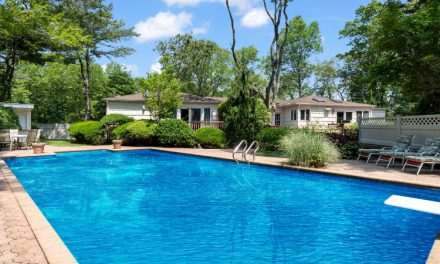
Colonials, Victorians, historic homes, and estate-style properties.
Lifestyle:
Quieter, scenic, often more residential with charming village centers.
Pricing:
Generally higher overall, though select areas offer attainable entry points.
The North Shore tends to appeal to buyers looking for privacy, charm, water views, and long-term prestige.
The South Shore of Long Island
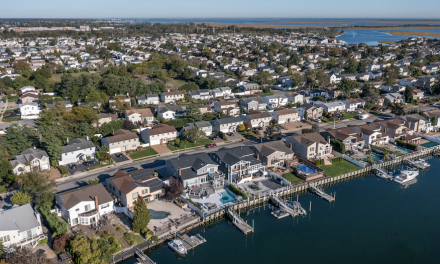
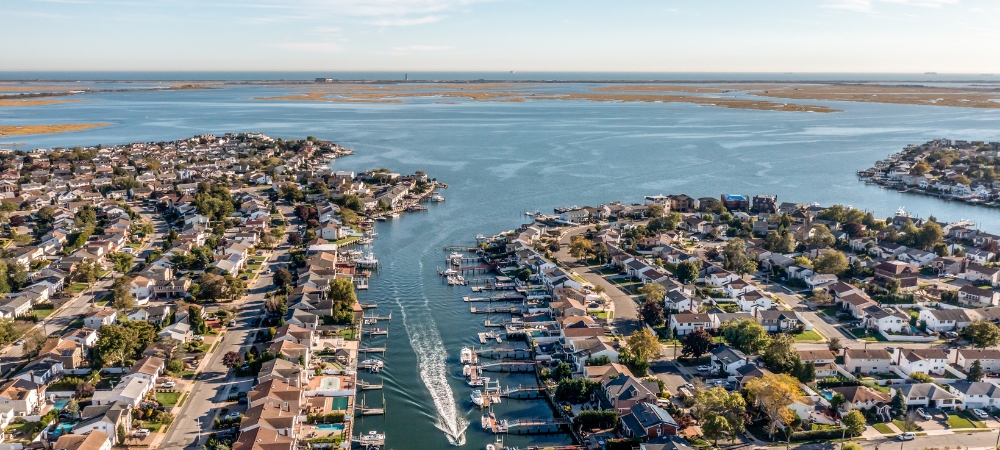
The South Shore borders the Atlantic Ocean and Great South Bay. It’s known for flatter terrain, sandy beaches, boating culture, and classic suburban neighborhoods.
Popular South Shore towns include:
What Defines the South Shore?
Landscape:
Flat terrain, beaches, canals, marinas, and waterfront neighborhoods.
Architecture:
Capecods, ranches, colonials, and waterfront properties.
Lifestyle:
Beach-oriented, boating-friendly, strong community feel.
Pricing:
Often more varied entry points compared to many North Shore luxury villages.
The South Shore often appeals to buyers who prioritize proximity to beaches, boating access, and suburban convenience.
Commute & Accessibility
Both shores offer LIRR access, but commute times and station availability vary by town.
- North Shore lines often run through Huntington, Oyster Bay, and Port Washington.
- South Shore lines serve Rockville Centre, Massapequa, Wantagh, and beyond.
For buyers commuting to NYC, station proximity can heavily influence which shore makes more sense.
North Shore vs South Shore Long Island – Choosing What’s Right For You
When comparing North Shore vs South Shore Long Island, there isn’t a universal “better” choice — only the right fit for your priorities.
Choose the North Shore if you want:
- Harbor views and elevated landscapes
- Historic charm and estate-style homes
- A quieter, more wooded setting
Choose the South Shore if you want:
- Beach access and boating lifestyle
- Flatter terrain and canal-front living
- Strong suburban neighborhoods with varied price points
Local Expertise Matters
The Pesce & Lanzillotta Team works across both the North Shore and South Shore and understands how pricing, taxes, inventory, and lifestyle differ from town to town.
If you’re weighing North Shore vs South Shore Long Island, we’re happy to walk you through the pros, cons, and current market conditions to help you make the right move.