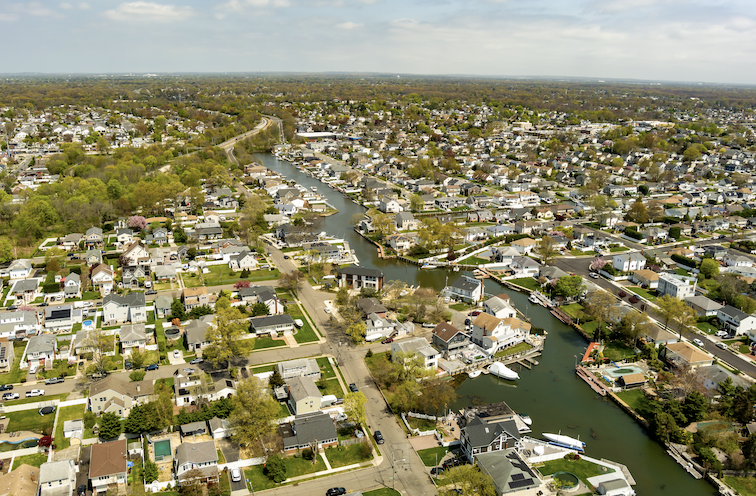
Buying a home is an exciting goal, but one of the biggest questions buyers ask right away is: How much money do you need to buy a home on Long Island? Between down payments, closing costs, and upfront expenses, the answer depends on where you’re buying, your loan type, and your overall financial picture.
Below, we’ll break down what it really costs to buy a home on Long Island, so you can plan confidently and avoid surprises.
The Price of Homes on Long Island
Home prices vary widely across Long Island, but as a general rule:
- Nassau County tends to have higher median home prices
- Suffolk County often offers more affordability and space
While exact prices fluctuate with the market, many buyers in 2026 can expect to pay between $600,000 to $900,000 for a home, depending on location, condition, and lot size.
Your purchase price is the foundation for nearly every upfront cost, so let’s break down what that means financially.
Down Payment: Your Biggest Upfront Expense
Your down payment depends largely on the type of loan you use:
Common Down Payment Scenarios
- Conventional loan: 3%–20% down
- FHA loan: As low as 3.5% down
- VA loan: 0% down (for eligible buyers)
Example
On a $700,000 home:
- 3% down ≈ $21,000
- 10% down ≈ $70,000
- 20% down ≈ $140,000
Many buyers are surprised to learn that 20% down is not required to buy a home on Long Island.
Closing Costs on Long Island
Closing costs typically run 2%–5% of the purchase price and can include:
- Lender fees
- Title insurance
- Attorney fees
- Prepaid taxes and homeowners insurance
- Recording and transfer fees
Example
On a $700,000 home:
- Estimated closing costs: $14,000–$35,000
Some buyers may be able to negotiate seller credits to offset a portion of these costs, depending on market conditions.
Property Taxes: A Key Long Island Consideration
Property taxes are a major factor when buying on Long Island and vary by town, school district, and property value.
- Taxes are often paid upfront at closing
- Lenders may require an escrow account with several months of taxes prepaid
This means you’ll need additional cash reserves beyond your down payment at closing.
Additional Upfront Expenses to Budget For
Beyond the purchase itself, buyers should also plan for:
- Home inspection: $500–$1,000
- Appraisal: $500–$800
- Moving costs
- Initial repairs, updates, or furnishings
- Emergency savings after closing
Having a financial cushion after you buy is just as important as qualifying for the loan.
So, How Much Money Do You Need to Buy a Home on Long Island?
While every situation is different, many Long Island buyers should plan for:
- Minimum upfront funds: $30,000–$50,000 (low down payment scenarios)
- More typical range: $75,000–$150,000+, depending on price and loan type
The good news? You don’t need to figure this out alone, and many buyers are surprised by how attainable homeownership actually is with the right strategy.
The Smartest First Step
Before touring homes or scrolling listings, the smartest move is to talk with a local real estate team that understands Long Island pricing, taxes, and financing options.
A personalized plan can help you:
- Choose the right loan
- Estimate your true cash-to-close
- Avoid over- or under-budgeting
- Move quickly when the right home hits the market
Thinking About Buying a Home on Long Island?
If you’re wondering how much you need to buy a home on Long Island, a quick conversation can bring clarity fast. With the right guidance, the numbers often feel far more manageable than expected.